
How Technology Is Revolutionizing Public Transit Systems
- jeffrey zankowski

- Jun 11, 2025
- 3 min read
Public transit systems around the globe are undergoing a remarkable transformation thanks to advancements in technology. Gone are the days when commuters relied solely on printed schedules and word-of-mouth for information about their journeys. Today, modern innovations are streamlining public transportation, enhancing user experience, and making systems more efficient. In this blog post, we will explore how technology is revolutionizing public transit systems and what it means for the daily commuter.
The Evolution of Public Transit
Public transit has been an essential part of urban life for over a century. Initially, systems were rudimentary, using steam engines and horse-drawn carriages. As technology evolved, so did public transit, moving to electric trolleys, subways, and buses. Today, digital technology has taken the reins, integrating mobile applications, GPS tracking, and real-time data analytics into traditional transit operations.

The advancement of mobile technology has enabled passengers to access crucial information at their fingertips. For instance, mobile applications are now commonly used to check schedules, get updates about delays, and even purchase tickets. This not only saves time but also improves overall satisfaction among users.
Smart Mobility Solutions in Public Transit
One of the key features revolutionizing public transit is smart mobility solutions. These include interconnected technologies such as the Internet of Things (IoT), cloud computing, and artificial intelligence (AI). These technologies enable a more seamless travel experience and improve operational efficiency.
For example, IoT devices can gather data from various transit routes, providing valuable insights to transit authorities. AI can analyze this data to predict peak usage times, improving service frequency during busy hours. This level of efficiency not only benefits commuters but also aids in reducing operational costs for transit systems.
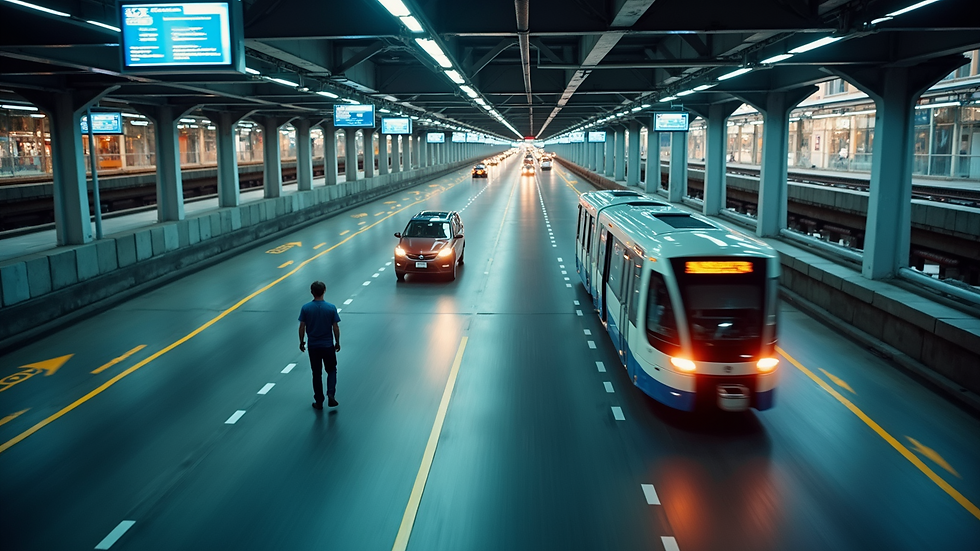
According to a report by the American Public Transportation Association, public transit usage has seen an increase of over 20% in recent years, partly due to these innovative solutions. By making public transit more reliable and accessible, cities can encourage more individuals to utilize these systems instead of personal vehicles.
Enhancements in Communication and Information Accessibility
Public transit systems today prioritize communication and information access. This has changed the way passengers interact with transit authorities. Mobile apps now provide live bus tracking, allowing users to see the current location of buses or trains in real-time. This feature eliminates uncertainty, reducing wait times and improving commuter satisfaction.
The implementation of digital signage also plays a crucial role. Public transportation stations are becoming equipped with screens that display real-time updates on arrivals and departures. These screens often feature user-friendly interfaces and provide information in multiple languages, catering to a diverse set of passengers.

Additionally, social media has become a platform for real-time communication between transit authorities and passengers. Many systems have dedicated accounts where commuters can report issues or get updates. This two-way communication increases transparency and builds trust within the community.
Accessibility and Inclusivity
Technology is also at the forefront of making public transit systems more accessible for individuals with disabilities. Advanced tools like audio guidance, mobile apps, and dedicated platforms are in place to ensure everyone can navigate the system easily.
For instance, many cities are adopting smart app solutions that assist visually impaired passengers in identifying nearby transit options and navigating their journeys safely. These apps can announce information through audio cues, helping users feel more confident traveling alone.
Another innovation is the use of accessible vehicles equipped with ramps and low floors. These vehicles ensure easier access for passengers using wheelchairs or other mobility aids. As awareness grows regarding the need for inclusivity, technology has risen to the challenge, making public transit a viable option for all.
Future of Public Transit
Looking ahead, the future of public transit is very promising. With continuous investment in technology, cities are likely to see even more advancements. Electric and autonomous vehicles, for example, are gaining momentum as sustainable alternatives to traditional transit options.
Cities are also beginning to experiment with mobility-as-a-service (MaaS), which combines various transportation options into a single accessible platform. Users would be able to plan, book, and pay for multiple transit services—all through one app. This would further streamline the experience and encourage more people to rely on public transportation.

In conclusion, technology is not just reshaping how we commute but is redefining public transit as a whole. As innovations continue, public transit systems will increasingly integrate smart, efficient, and inclusive technologies. For daily commuters, this means a smoother, quicker, and more reliable travel experience. The changes happening today set a foundation for a sustainable future, encouraging individuals to choose public transit over personal vehicles for their daily travels. The revolution in public transit is just beginning, and the journey ahead promises to be exciting and transformative.


Comments